
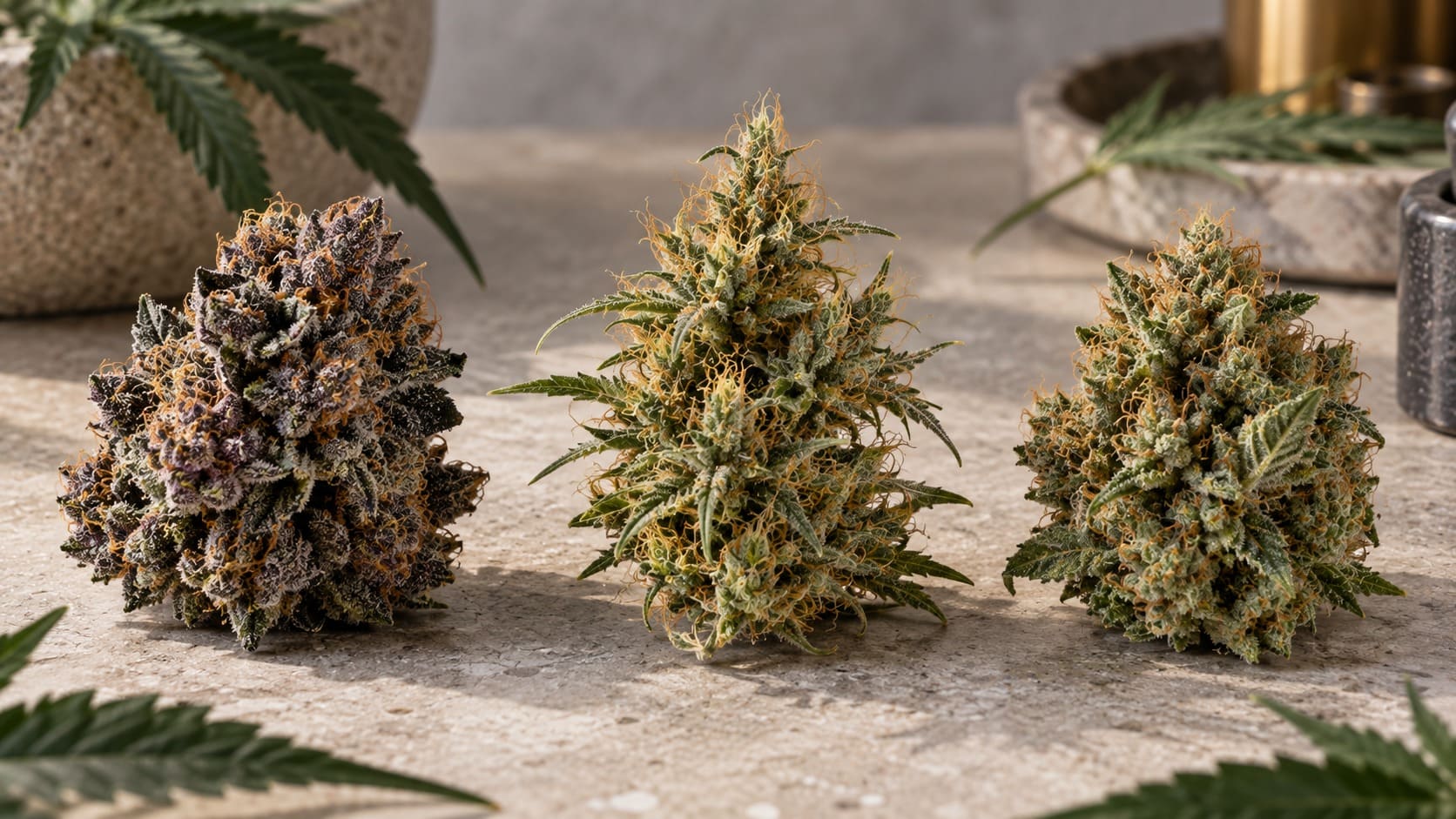
Indica, sativa, and hybrid are traditional classifications based on the physical shape of the cannabis plant, not a reliable guarantee of effect, and modern understanding points to a strain’s specific cannabinoid and terpene profile as the better predictor of how it will actually make you feel. That said, the labels are still useful shorthand once you understand what they actually describe and what they don’t.
Where the Indica and Sativa Labels Came From
The indica and sativa distinction originated as a botanical classification describing plant structure and growing characteristics, not effect. Sativa plants were traditionally described as tall with narrow leaves, originating from equatorial regions, while indica plants were shorter and bushier with broader leaves, associated with harsher mountain climates. Over decades of cannabis culture, these botanical categories got informally linked to expected effects, sativa for energizing and uplifting, indica for relaxing and sedating, a shorthand that stuck even as breeding practices made the actual genetics far more complicated.
Why the Effect Association Doesn’t Hold Up Anymore
Decades of selective breeding and crossbreeding mean that very few strains sold today are a “pure” indica or sativa in the way the original classification intended. Most modern flower is genetically a hybrid to some degree, regardless of what the label says, which means the indica or sativa name on a jar today is describing a lineage or growing style far more than it’s predicting a specific experience. Two strains labeled indica can produce noticeably different effects from each other, and a sativa labeled strain can sometimes feel just as relaxing as an indica, depending on its actual chemical makeup.
What Hybrids Actually Are
A hybrid is a strain bred from both indica and sativa genetics, and since the label applies to the overwhelming majority of modern flower, hybrid strains are often further described as indica dominant or sativa dominant based on which lineage makes up more of the genetic background. In practice, this still doesn’t tell you much about the actual experience without more specific information about the strain’s cannabinoid and terpene content.
What Actually Predicts a Strain’s Effects
The current understanding among cultivators and researchers points to a strain’s specific terpene profile, combined with its cannabinoid content, as a much stronger predictor of effect than the indica, sativa, or hybrid label alone. Terpenes are the aromatic compounds responsible for a strain’s scent and flavor, and they’re believed to interact with cannabinoids to shape the overall experience, sometimes described as the entourage effect. Our post on what cannabis terpenes are and why they matter goes into this in more depth, and it’s genuinely worth reading if you want to understand why two “indica” strains can feel completely different from each other.
How to Actually Choose a Strain
Rather than shopping by the indica, sativa, or hybrid label alone, it’s more useful to describe the specific effect you’re looking for to a budtender, relaxed but not sleepy, focused without being wired, help winding down at the end of the day, and let them match you to a strain based on its actual terpene and cannabinoid profile rather than just its category label. This approach tends to produce far more consistent results than picking based on the indica or sativa name alone, especially once you’ve found a terpene profile that reliably works for you and can look for similar profiles across different strains going forward.
THC and CBD Content Still Matters Too
Beyond terpenes, overall THC percentage plays a real role in intensity regardless of indica, sativa, or hybrid classification. A high THC hybrid can produce a much stronger overall experience than a lower THC indica, even if the indica “should” theoretically feel more relaxing based on the old framework.
Why This Confusion Is So Common
Part of why the indica versus sativa question keeps coming up is that the language is everywhere, on packaging, in casual conversation, even in older dispensary menu systems that were built around the classification before the industry’s understanding shifted toward chemotype based thinking. It’s not that the labels are meaningless, they still describe real botanical lineage, it’s that the leap from “this plant looks and grows a certain way” to “this plant will make you feel a certain way” was never as solid as it became culturally accepted to be. Newer, more sophisticated dispensary menus and lab testing practices have started shifting toward listing terpene content directly, which is a more useful signal than the indica or sativa name alone.
How Growing Conditions Can Also Shape a Strain
Beyond genetics, factors like how a plant was grown, the environment, nutrients, and even harvest timing, can influence a strain’s final chemical profile and therefore its effects, sometimes as much as which side of the indica or sativa family tree it comes from. This is part of why the same named strain grown by two different cultivators can produce noticeably different experiences, and why relying entirely on a strain name from something you tried once elsewhere may not translate directly to what’s available on our shelf, even with an identical name on the label.
Common Myths Worth Clearing Up
One of the most persistent myths is that all indica strains cause sedation and all sativa strains cause energy, when in reality, individual strain chemistry varies enough that this isn’t reliably true across the board. Another common myth is that hybrid automatically means “balanced” or “in between,” when a hybrid can lean strongly toward either indica dominant or sativa dominant characteristics, or produce an entirely distinct effect based on its unique terpene and cannabinoid combination rather than simply splitting the difference between its parent strains.
Browsing Strains at Karing Kind
We grow and hand manicure the majority of the flower we sell in our own garden, which means our strains selection rotates with what’s currently thriving and includes both well known genetics and options you won’t find everywhere. Our full flower category covers everything from classic strains to newer crosses, and a budtender can walk you through what’s currently available and which options tend to produce the effect you’re looking for, based on real customer feedback rather than the label alone.
If You’re Still Building Your Preferences
If you’re relatively new to shopping by strain and don’t yet have a strong sense of what terpene profiles or effects you gravitate toward, it’s worth trying a few different options over separate visits and paying attention to what actually worked, rather than committing to a large quantity of any one strain right away. Our guide on start low and go slow applies here too, smaller quantities while you’re still figuring out your preferences give you more room to experiment without a large amount of something that didn’t end up working for you.
A Simple Way to Start Building Your Own Shorthand
Instead of relying on indica, sativa, or hybrid as your main shopping filter, consider keeping a mental note of specific strains and terpene profiles that have worked well for you in the past, then asking a budtender if anything currently in stock shares a similar profile. Over a handful of visits, this builds a much more reliable personal reference than the indica or sativa label ever could, since it’s based on your own actual experience rather than a decades old botanical classification that predates most of what’s currently on the shelf.
Frequently Asked Questions
Does indica always make you sleepy and sativa always make you energetic?
No, this old association doesn’t hold up reliably across modern strains. A strain’s specific terpene and cannabinoid profile is a better predictor of effect than the indica or sativa label alone.
What is a hybrid strain?
A hybrid is bred from both indica and sativa genetics, and the vast majority of modern flower is genetically a hybrid to some degree, regardless of what the label says.
Should I ignore the indica, sativa, or hybrid label completely?
Not entirely, it can still hint at general lineage, but it’s more useful to ask a budtender about a strain’s specific effects and terpene profile than to rely on the label alone.
What matters more than the indica or sativa label?
A strain’s terpene profile combined with its THC and CBD content tends to predict the actual experience far more reliably than the indica, sativa, or hybrid classification.
How do I find a strain that reliably produces the effect I want?
Describe the specific effect you’re looking for to a budtender and try a few options over separate visits, tracking which terpene profiles and strains actually worked for you.
Is a sativa dominant hybrid the same as a pure sativa?
No, a sativa dominant hybrid still carries indica genetics in its background and can behave quite differently from what “pure sativa” traditionally implied.

About the Author: Dylan Donaldson
Dylan is a Colorado native that graduated CU Boulder in 2007 with a degree in Business Communication. Having run a variety of his own businesses while attending college, Dylan found his passion in plants and people.
See more about the author