
What Are Cannabis Terpenes and Why Do They Matter?
If you’ve ever noticed how different cannabis strains smell and taste completely unique—some citrusy and bright, others earthy or floral—you’re noticing the work of terpenes. These aromatic compounds do far more than create appealing scents. They play a crucial role in shaping your entire cannabis experience, working alongside cannabinoids to influence everything from relaxation to mental clarity.
Understanding terpenes transforms how you approach cannabis selection. Rather than focusing solely on THC percentages, you can choose products based on the specific effects and experiences you’re seeking. Whether you’re exploring cannabis for the first time or looking to refine your choices, learning about these natural molecules opens up a more personalized, intentional approach to consumption.
The Science Behind Cannabis Terpenes
Terpenes are naturally occurring aromatic compounds found throughout the plant kingdom—in everything from lavender and citrus fruits to pine trees and cannabis. These organic molecules are built from isoprene units, creating chains that form the foundation of their distinctive scents and therapeutic properties. While over 200 different terpenes have been identified in cannabis plants alone, only a handful appear in concentrations high enough to significantly impact your experience.
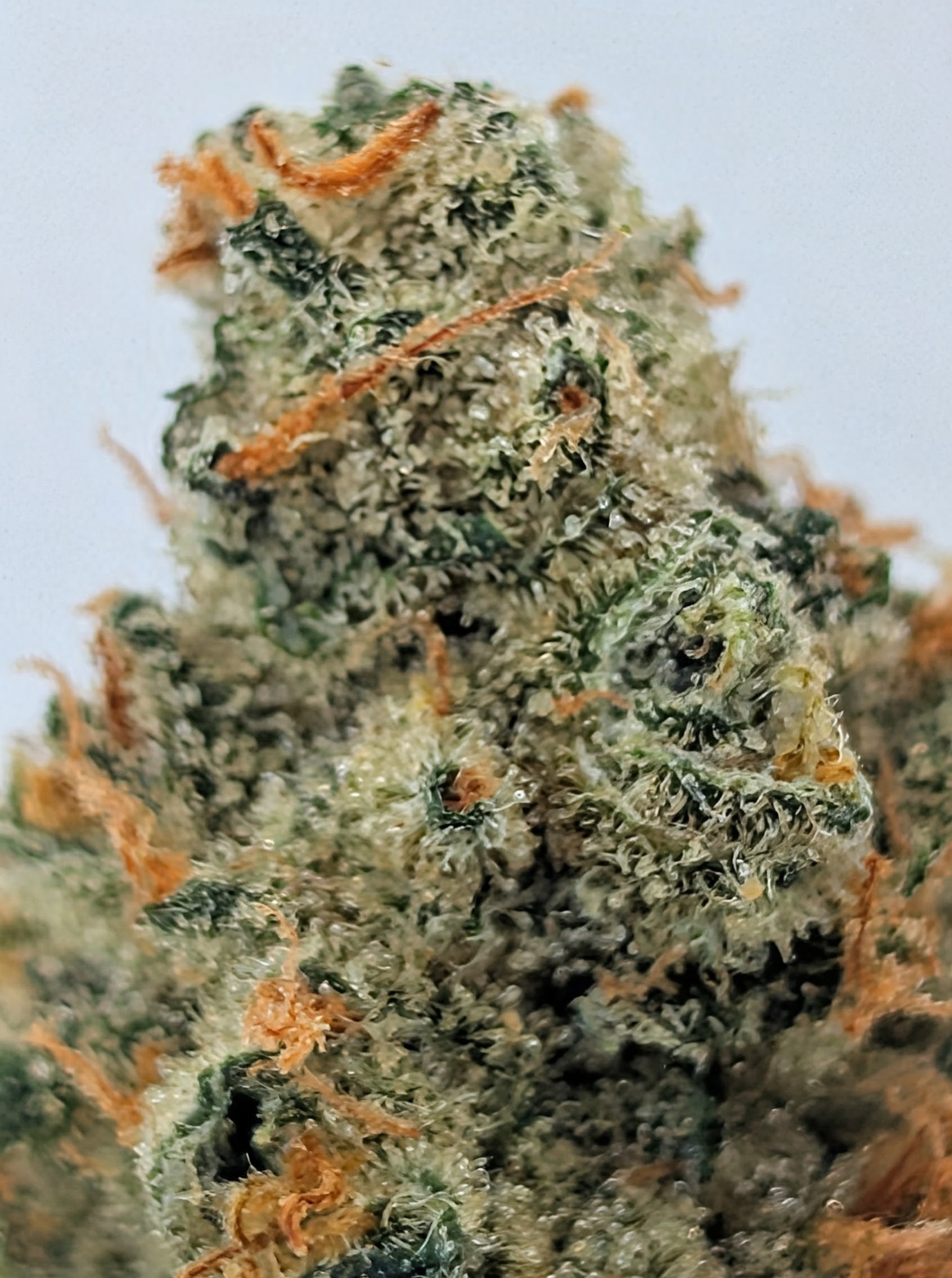
Cannabis produces terpenes in the same crystalline structures—called trichomes—that generate cannabinoids like THC and CBD. These frosty, resinous glands develop primarily on the flower buds and contain the full chemical complexity that defines each strain’s character. In nature, terpenes serve as a plant’s defense mechanism, protecting against predators and harsh environmental conditions while attracting beneficial pollinators.
What makes cannabis terpenes particularly fascinating is their volatility. These compounds are sensitive to heat, light, and time, which means proper storage and consumption methods matter significantly. A fresh, properly stored flower will have a more robust terpene profile than dried-out product sitting on a shelf for months, directly affecting both aroma and effects.
Why THC Percentage Doesn’t Tell the Whole Story
Many cannabis consumers make purchasing decisions based primarily on THC content, assuming higher percentages guarantee stronger effects. This oversimplification misses a fundamental reality: two strains with identical THC levels can produce vastly different experiences. The difference often comes down to their unique terpene compositions.
Consider this common scenario: you try a 15% THC strain and feel deeply relaxed and ready for sleep. Later, you try a 20% THC strain expecting a stronger experience, only to feel energized and focused instead. The terpene profiles explain these differences. The first strain might be rich in sedating myrcene, while the second contains uplifting limonene and alertness-promoting pinene. The cannabinoid content provides the foundation, but terpenes steer the direction.
This is why knowledgeable budtenders and cannabis educators increasingly recommend selecting products based on desired effects rather than chasing the highest THC number. When you understand how different terpenes influence your experience, you can make choices that consistently deliver what you’re looking for, whether that’s creative inspiration, pain relief, or a good night’s sleep.
The Entourage Effect: How Compounds Work Together
The concept of the entourage effect represents one of the most important frameworks for understanding cannabis. This hypothesis suggests that cannabis works best as a whole plant medicine, with cannabinoids, terpenes, and other compounds working synergistically to produce effects greater than any single molecule could achieve alone. Think of it as a symphony—individual instruments contribute, but the full orchestra creates something more powerful and nuanced.
Research has begun supporting this theory. Studies have shown that CBD combined with THC can be more effective for pain management than THC in isolation. Similarly, certain terpenes appear to enhance or modify cannabinoid activity. For instance, myrcene may help THC cross the blood-brain barrier more efficiently, potentially intensifying effects. Meanwhile, limonene has shown potential in reducing THC-induced anxiety, offering a balancing influence.
The entourage effect also explains why full-spectrum cannabis products—those containing the complete range of cannabinoids and terpenes—often provide more comprehensive therapeutic benefits than isolated compounds. If you’ve tried CBD isolate and found it underwhelming, exploring full-spectrum CBD options might deliver the results you’re seeking, thanks to the supporting cast of terpenes and minor cannabinoids working together.
Your Guide to Common Cannabis Terpenes
While cannabis contains hundreds of terpenes, a core group appears most frequently and contributes the most significant effects. Getting to know these primary players helps you navigate dispensary menus with confidence and select products aligned with your goals.
Myrcene: The Relaxation Specialist
Myrcene typically ranks as the most abundant terpene in cannabis, giving many strains their characteristic earthy, musky aroma with subtle fruit notes. If you’ve ever heard the term “couch-lock” to describe deeply sedating cannabis effects, you’ve encountered myrcene’s influence. This terpene is also found in mangoes, hops, thyme, and lemongrass, which explains the folk wisdom about eating mango before consuming cannabis to enhance effects—you’re essentially adding more myrcene to the equation.
Beyond sedation, myrcene demonstrates anti-inflammatory and muscle-relaxing properties, making it valuable for those dealing with physical discomfort or tension. Strains rich in myrcene work beautifully for evening use, helping you transition from a busy day to restful sleep. Look for classic varieties like Granddaddy Purple or Blue Dream if myrcene’s calming embrace appeals to you.
Limonene: The Mood Lifter
True to its name, limonene delivers bright citrus aromas reminiscent of lemons, oranges, and grapefruits. This cheerful terpene brings more than pleasant scents—it’s associated with mood elevation, stress reduction, and anti-anxiety effects. Research suggests limonene may even help counteract THC-induced paranoia, making it a valuable component for those who sometimes feel anxious with cannabis.
Limonene also shows promise for digestive support and anti-inflammatory benefits. When you’re seeking daytime energy, motivation, or a mood boost, strains featuring prominent limonene make excellent choices. Berry White, Sour Diesel, and other citrus-forward varieties typically showcase this uplifting terpene.
Pinene: The Focus Enhancer
Step into a pine forest and you’re surrounded by pinene—that crisp, fresh evergreen aroma that seems to clear your head instantly. Cannabis contains both alpha-pinene and beta-pinene, both offering alertness and mental clarity benefits. This terpene has been linked to improved memory retention and respiratory function, with bronchodilatory properties that may help you breathe easier.
Pinene’s anti-inflammatory characteristics add therapeutic depth, while its cognitive benefits make it ideal for situations requiring focus and productivity. When you need cannabis that won’t leave you foggy, seek out pinene-rich strains like Jack Herer or Dutch Treat. Beyond cannabis, pinene appears in rosemary, basil, and dill.
Linalool: The Calming Companion
Anyone who loves lavender aromatherapy already appreciates linalool’s gentle, floral influence. This terpene brings sweet, slightly spicy notes alongside profound calming effects. Linalool excels at reducing anxiety, promoting sleep, and creating an overall sense of peace and emotional balance. It’s the terpene to reach for when stress feels overwhelming or sleep remains elusive.
Research suggests linalool may also offer mood-stabilizing properties, making it potentially valuable for emotional regulation. Strains like Do-Si-Dos, Zkittlez, and Wedding Cake often feature notable linalool content. If you’re building an evening routine or need help unwinding from daily tensions, linalool-forward options deserve consideration.
Caryophyllene: The Therapeutic Powerhouse
Caryophyllene stands out among terpenes for a unique reason: it can directly interact with your body’s CB2 cannabinoid receptors, functioning almost like a cannabinoid itself. This spicy, peppery terpene—also found in black pepper, cloves, and cinnamon—demonstrates impressive anti-inflammatory and pain-relieving properties. Its ability to engage the endocannabinoid system makes it particularly valuable for managing chronic discomfort.
Beyond pain management, caryophyllene shows potential for anxiety reduction and stress relief. Some research even suggests it may support addiction recovery and depression management. Classic strains like Original Glue, Bubba Kush, and Girl Scout Cookies typically showcase caryophyllene’s therapeutic punch. For those seeking cannabis-based pain relief, caryophyllene-rich products offer a compelling starting point.
Lesser-Known Terpenes Worth Knowing
Beyond the famous five, several other terpenes contribute meaningful effects when present in significant concentrations. Terpinolene offers floral, herbal notes with sedating properties—helpful for easing muscle tension and promoting sleep. Humulene, found in hops and sage, brings woody, earthy aromas along with anti-inflammatory benefits and potential appetite-suppressing effects, making it interesting for those who want therapeutic benefits without the munchies.
Ocimene delivers sweet, herbal fragrances and may support immune function and energy. Less common but increasingly studied terpenes like bisabolol (found in chamomile) and eucalyptol (from eucalyptus) add their own therapeutic contributions to certain strains. As cannabis testing becomes more sophisticated, we’re discovering that even minor terpenes play supporting roles in the entourage effect.
The takeaway? While focusing on the major terpenes gives you a solid foundation for selection, the complete terpene profile creates the full picture. This complexity is what makes cannabis such a versatile plant and why exploring different strains can lead to surprisingly varied experiences.
Reading Lab Results and Certificates of Analysis
Many cannabis products now include Certificates of Analysis (COAs)—lab reports detailing cannabinoid and terpene content. Learning to read these documents empowers you to make informed choices based on chemistry rather than marketing claims. Terpene results typically appear as percentages or milligrams per gram, with the top three to five terpenes listed.
A total terpene content around 2% or higher generally indicates a product with robust flavor and effects. Fresh products maintain higher terpene concentrations, while older flower loses these volatile compounds over time. When you find a product that works particularly well, note its terpene profile. This becomes your personal reference guide for future purchases.
Don’t hesitate to ask your dispensary for lab results if they’re not readily displayed. Quality-focused retailers like Karing Kind make this information accessible because they understand informed consumers have better experiences. You deserve to know what you’re consuming, and terpene data provides crucial insights beyond simple THC and CBD numbers.
Matching Terpenes to Your Desired Experience
Now that you understand individual terpenes, how do you apply this knowledge practically? Start by identifying your primary goal. Need help sleeping? Look for products high in myrcene and linalool. Seeking daytime focus without drowsiness? Pinene and limonene make better companions. Want pain relief while maintaining functionality? Caryophyllene combined with moderate CBD could be ideal.
Consider also the time of day and your activities. Morning might call for energizing terpene profiles featuring limonene and pinene, helping you start your day with clarity. Afternoon creativity sessions could benefit from balanced profiles that don’t pull you too far in either direction. Evening relaxation naturally suits myrcene, linalool, and caryophyllene combinations.
Keep a simple journal noting which products you try, their dominant terpenes, and how they make you feel. Over time, patterns emerge. You might discover that you consistently enjoy high-myrcene strains before bed but prefer limonene-forward options for social situations. This personal data becomes invaluable for consistently finding products that work for your unique body chemistry and lifestyle needs.
Preservation Tips: Keeping Terpenes Intact
Even the best terpene profile won’t help if you don’t store your cannabis properly. These aromatic compounds are volatile, meaning they evaporate easily when exposed to heat, light, and air. Store your flower in airtight containers away from direct sunlight and heat sources. Glass jars with tight seals work excellently, and some companies make specialized cannabis storage containers with humidity control.
Temperature matters significantly—keep your cannabis in a cool, dark place, ideally between 60-70°F. Excessive heat not only degrades terpenes but can also convert THCA to THC, altering potency. On the flip side, refrigeration can introduce moisture problems, so room temperature storage in proper containers strikes the best balance.
Humidity control prevents your flower from becoming too dry (losing terpenes) or too moist (risking mold). Maintaining relative humidity around 62% preserves terpene content while preventing degradation. Small humidity-control packets designed for cannabis storage help maintain this sweet spot. When you protect your product properly, you preserve the terpene profile that attracted you in the first place.
Consumption Methods and Terpene Preservation
How you consume cannabis dramatically affects terpene delivery. High heat can degrade or destroy these delicate compounds, which is why consumption temperature deserves attention. Dabbing at extremely high temperatures may destroy terpenes before you benefit from them, potentially creating harsh byproducts. If you prefer concentrates, consider lower-temperature dabbing to preserve terpene integrity.
Vaporizing flower at controlled temperatures (generally between 320-380°F) allows you to experience terpenes more fully than smoking. Different terpenes vaporize at different temperatures, so some vaporizers offer precise control to target specific compounds. Lower temperatures emphasize flavor and lighter terpene effects, while higher temperatures extract more completely but with less terpene preservation.
Edibles and tinctures offer another approach entirely. While the cooking process for some edibles may reduce terpene content, properly made products can preserve these compounds or even add them back through food-grade terpene extracts. The onset and duration differ significantly from inhalation, but the terpene influence on effects remains relevant.
The Difference Between Natural and Added Terpenes
As understanding of terpenes grows, some products now feature added terpenes—either cannabis-derived or botanical (from other plants). Cannabis-derived terpenes come from cannabis plants and theoretically offer the most authentic experience. Botanical terpenes source from other plants but consist of chemically identical molecules. Both can effectively enhance products, but their origins differ.
Some concentrate manufacturers remove terpenes during extraction, then reintroduce them afterward for consistency and flavor control. While this creates predictable products, purists argue that naturally preserved terpene profiles from specific strains offer superior entourage effects. There’s no definitive answer—both approaches have merit depending on your priorities.
Be cautious with products containing synthetic terpenes, which may not be safe for inhalation. Quality manufacturers use natural terpenes (whether cannabis or botanical) and clearly label their source. When shopping for concentrates or vape products, asking about terpene sourcing helps you make informed safety decisions.
Beyond Cannabis: Terpenes in Daily Life
Your familiarity with terpenes extends far beyond cannabis. The energizing scent of your morning orange juice? That’s limonene. The calming lavender in your bath products? Linalool at work. The distinctive aroma of your herb garden’s rosemary and basil? Pinene and linalool combining their influences. Even the pepperiness in your favorite hot sauce involves caryophyllene.
This realization can enhance your overall wellness approach. If you respond well to myrcene in cannabis, you might also benefit from brewing lemongrass tea before bed. Love limonene’s uplifting effects? Consider citrus-based aromatherapy throughout your day. The therapeutic properties of terpenes aren’t limited to cannabis consumption—they’re available through the foods, herbs, and botanicals you encounter daily.
Understanding these connections creates a more holistic view of plant medicine and natural wellness. Cannabis becomes one tool among many for accessing beneficial terpenes, and you can complement your cannabis use with other terpene-rich plants that support your health goals.
The Future of Terpene Research and Products
We’re still in the early stages of understanding cannabis terpenes completely. While we know a reasonable amount about the major ones, many questions remain. How do specific terpene ratios interact? Are there ideal cannabinoid-to-terpene ratios for particular conditions? Do individual differences in genetics

About the Author: Dylan Donaldson
Dylan is a Colorado native that graduated CU Boulder in 2007 with a degree in Business Communication. Having run a variety of his own businesses while attending college, Dylan found his passion in plants and people.
See more about the author