
How Edibles Differ From Smoking or Vaping
When cannabis is inhaled, effects show up within minutes and fade relatively quickly. Edibles work differently. THC oil is processed through the digestive system and liver, which means effects usually take 30 to 90 minutes to appear, sometimes longer depending on what else you’ve eaten that day, and they tend to last considerably longer once they kick in. This delay is the single biggest reason beginners overdo it, taking more too soon because nothing seems to be happening yet.
How THC Oil Works in Cooking
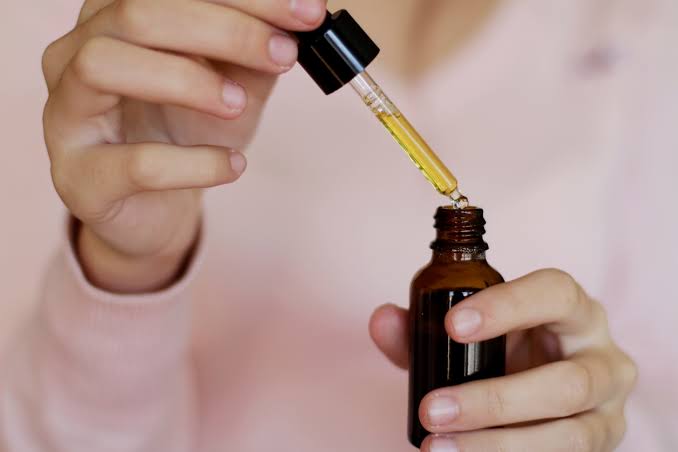
THC oil sold at a licensed dispensary is already activated, or decarboxylated, which means it’s ready to use directly in a recipe without any extra heating step. For a deeper look at how oils are extracted and made in the first place, see Understanding Cannabis Oils. Because THC binds to fat, it blends most evenly into ingredients like butter, cooking oil, or dairy rather than water based liquids. Whisking the oil thoroughly into a fat based ingredient before combining it with the rest of a recipe helps avoid uneven concentration, sometimes called hot spots, where one bite ends up much stronger than another.
Choosing the Right Starting Product
For beginners, a product with clear, consistent milligram labeling is far safer than guessing with a homemade infusion. Tinctures and pre measured THC oils sold at Karing Kind list potency per serving on the label, which takes the guesswork out of dosing. Our budtenders can help match a product’s strength to your experience level, whether you’re brand new or just new to cooking with it. If you’d rather make your own base ingredient from flower, our Beginner’s Guide to Cooking with Cannabis Oil (and Cannabutter) walks through that process step by step.
Simple Ways to Add It to Food
The easiest starting point is adding a measured amount to something you already make often, a salad dressing, a smoothie, or a warm drink. Baking is another common option since the oil blends easily into batters and doughs. Savory dishes work just as well as sweets, a finishing drizzle over a cooked dish avoids extra heat exposure altogether, which can help preserve potency.
Common Mistakes Beginners Make
The most common mistake is taking more too soon because the first dose doesn’t seem to be working yet, only to end up with two doses hitting at once. This is exactly the idea behind “start low and go slow,” the foundational principle for anyone newer to edibles. Another common issue is uneven mixing, leading to one portion of a dish being much stronger than the rest. Skipping a label and guessing at potency is the biggest one to avoid entirely.
Start Low, Go Slow
Every product and every person responds differently. Beginners should always start with the lowest suggested amount on the label and wait at least two hours before considering more. This single habit prevents the vast majority of uncomfortable edible experiences. For more on this mindset applied beyond just cooking, see our guide on Edibles for Beginners.
Storage and Safety
Keep THC infused food clearly labeled and stored well out of reach of children, pets, and anyone who isn’t expecting it. Never assume an edible looks or tastes different enough to be obviously infused, treat it with the same caution you’d want a stranger to use.
Frequently Asked Questions
How much THC oil should a beginner use?
Beginners should follow the lowest dose listed on the product packaging and wait at least two hours before taking more. A budtender can help match a product to your experience level, and you can browse THC oils and tinctures on our menu to compare labeled potency ahead of time.
Does THC oil need to be heated before using it in food?
No. THC oil sold at a licensed dispensary is already activated, so it can be mixed directly into food or drinks.
How long does it take for THC infused food to take effect?
Effects typically begin in 30 to 90 minutes, though timing varies by person and by what else you’ve eaten that day.
Why does THC oil work better in fatty ingredients?
THC binds to fat rather than water, so mixing it into butter, oil, or dairy helps it distribute evenly through a recipe.
What’s the safest way to store THC infused leftovers?
Store them clearly labeled and out of reach of children, pets, or anyone unaware they’re infused, ideally in a container that looks distinct from regular food.

About the Author: Dylan Donaldson
Dylan is a Colorado native that graduated CU Boulder in 2007 with a degree in Business Communication. Having run a variety of his own businesses while attending college, Dylan found his passion in plants and people.
See more about the author