
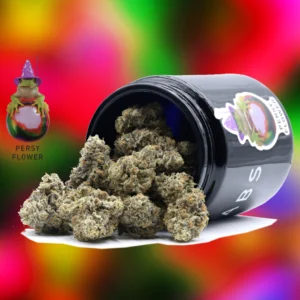
Understanding Why Cannabis Storage Matters
If you’ve ever pulled out a baggie of cannabis only to find it crumbly, harsh-tasting, or oddly scentless, you’ve experienced firsthand what poor storage does to your flower. Proper cannabis storage isn’t just about keeping buds from going stale—it’s about preserving the therapeutic compounds, complex flavors, and aromatic terpenes that make each strain unique.
When cannabis flower is exposed to the wrong conditions, several things happen: THC gradually converts to CBN (a less psychoactive compound), delicate terpenes evaporate, and the buds either dry out or, worse, develop mold. The good news? With the right approach, you can keep your cannabis fresh, potent, and enjoyable for six months to a year—or even longer.
This guide walks you through everything you need to know about storing cannabis flower properly, from understanding the environmental factors that degrade quality to choosing the best containers and storage locations.
The Four Environmental Enemies of Fresh Cannabis
Cannabis flower is surprisingly sensitive to its surroundings. Four main environmental factors determine how long your buds stay fresh and effective.
Light Exposure
Light—especially UV rays from the sun—is the single biggest threat to cannabis potency. Research dating back to the 1970s confirms that prolonged light exposure rapidly degrades cannabinoids and converts THC into CBN. While cannabis plants need light to grow, harvested flower needs the opposite: complete darkness.
Even indirect sunlight through a window or exposure to bright artificial lighting can accelerate degradation. That’s why storing cannabis in opaque containers or dark locations is non-negotiable for anyone serious about preservation.
Temperature Control
Temperature extremes damage cannabis in different ways. Heat above 74°F accelerates terpene evaporation and cannabinoid breakdown, leaving your flower harsh and less potent. It also creates ideal conditions for mold and mildew growth, which can make cannabis unsafe to consume.
On the flip side, freezing cannabis makes the delicate trichomes—those tiny, crystalline structures containing most of the cannabinoids and terpenes—brittle. They’ll break off with even gentle handling, leaving you with less potent flower and a container full of loose kief.
The sweet spot for cannabis storage is between 60-70°F, with 60°F being ideal. Room temperature in a climate-controlled home typically works well, as long as you keep your stash away from heat sources like radiators, ovens, or windowsills.
Humidity Levels
Humidity might be the trickiest factor to control, but it’s equally important. Too much moisture (above 65% relative humidity) invites mold and mildew, which can contaminate your entire stash and pose serious health risks. Too little humidity causes buds to dry out, becoming brittle and losing terpenes and cannabinoids in the process.
The ideal relative humidity range for cannabis storage is 59-63%. At this level, your flower maintains its structure and integrity without encouraging mold growth. Many experienced users rely on humidity control packs to automatically maintain this range without constant monitoring.
Air and Oxygen Exposure
While cannabis needs some air circulation during the curing process, too much oxygen exposure after curing accelerates degradation. Oxygen triggers oxidation, which breaks down cannabinoids and terpenes, ultimately reducing both potency and flavor.
This is why airtight containers are essential for long-term storage. However, the container should be appropriately sized—a half-full jar has too much air inside, while cramming too much flower into a small container can damage the buds and their precious trichomes.
Choosing the Right Storage Container
Your choice of container directly impacts how long your cannabis stays fresh. Here are the best options, from basic to premium:
Glass Jars with Airtight Seals
Glass mason jars remain the gold standard for cannabis storage, especially for small to medium quantities. They’re airtight, don’t leach chemicals, and create a stable environment for your flower. Look for jars with quality seals—rubber, silicone, or plastisol—that create a tight closure.
While clear glass works if you store jars in a completely dark location, tinted or colored glass provides an extra layer of UV protection. Just remember that even tinted glass won’t fully protect against light damage if the jar sits near a window or under bright lights.
Specialized Cannabis Humidors
For those with multiple strains or larger collections, cannabis-specific humidors offer superior storage. Unlike traditional tobacco humidors (which can affect cannabis flavor due to the wood type), cannabis humidors are designed to maintain optimal humidity and organization without flavor transfer.
These containers often include built-in humidity control systems and compartments for different strains, making them ideal for connoisseurs who want to preserve each variety’s unique characteristics.
Titanium and Ceramic Containers
Titanium jars provide excellent light protection and durability without affecting flavor—unlike some other metals. They’re particularly good for travel or situations where glass might be impractical.
High-quality ceramic containers with airtight lids perform similarly to glass jars, offering complete light protection with an attractive, opaque exterior that fits seamlessly into home décor.
Vacuum-Sealed Storage
For long-term storage extending beyond a year, vacuum-sealed containers remove oxygen and create ideal preservation conditions. Some advanced options also regulate humidity automatically, providing hands-off storage that keeps cannabis fresh for extended periods.
Avoid vacuum-sealed plastic bags, which can develop leaks and create static electricity that damages trichomes. Instead, opt for purpose-built vacuum-sealed glass or metal containers.
What to Avoid
Plastic bags—even quality ones—are poor choices for anything beyond temporary storage. They don’t provide adequate protection from air and light, can generate static that damages trichomes, and may leach chemicals over time. Similarly, oversized containers leave too much air space, while undersized ones compress and damage buds.
Where to Store Your Cannabis Flower
Location matters as much as container choice. The ideal storage spot is cool, dark, and stable—think of a drawer, cupboard, or closet away from windows and heat sources.
Avoid storing cannabis in bathrooms (fluctuating humidity), kitchens (heat and temperature changes), or anywhere near electronics that generate warmth. A bedroom dresser drawer, linen closet, or dedicated cabinet in a climate-controlled room works perfectly.
Using Humidity Control Packs
Humidity control packs like Boveda are inexpensive insurance for your cannabis investment. These two-way humidity regulators automatically add or remove moisture to maintain your target relative humidity, typically 62% for cannabis flower.
Simply place the appropriate-sized pack in your storage container with your flower. The packs last several months and will gradually harden when they need replacing. While not absolutely necessary for short-term storage in stable environments, they’re invaluable for long-term preservation or if you live in particularly dry or humid climates.
Special Considerations for Different Cannabis Products
While this guide focuses primarily on flower, it’s worth noting that different cannabis products have different storage needs. Concentrates and oils typically require refrigeration for long-term storage, while edibles often need freezing to prevent spoilage. Pre-rolls should be stored like flower but in appropriately-sized tubes or containers that prevent crushing.
Always follow product-specific storage recommendations for non-flower items, but the core principles—controlling light, temperature, humidity, and air exposure—apply across all cannabis products.
Signs Your Cannabis Has Degraded
Even with proper storage, it’s important to recognize when cannabis has passed its prime. Here’s what to look for:
- Smell changes: Fresh cannabis has a distinct, often pungent aroma. If your flower smells musty, like hay, or has lost its characteristic scent, terpenes have degraded significantly.
- Texture problems: Properly stored flower should have some spring when gently squeezed. If buds crumble to dust or feel uncomfortably moist and squishy, storage conditions weren’t ideal.
- Color shifts: While some color change is natural over time, significant yellowing, browning, or discoloration indicates degradation.
- Visible mold: White, gray, or fuzzy spots on buds mean mold contamination. Discard moldy cannabis immediately—it’s not safe to consume.
- Harsh smoke or vapor: If properly stored cannabis suddenly becomes harsh or unpleasant to consume, cannabinoids and terpenes have likely degraded.
Advanced Tips for Maximum Freshness
Once you’ve mastered the basics, these additional strategies can further extend your cannabis’s shelf life:
Minimize handling of your buds. Every time you touch cannabis flower, you risk damaging trichomes and transferring oils and moisture from your hands. Use clean tools or handle buds by the stem when possible.
Match container size to quantity. As you use your stash, consider transferring remaining flower to a smaller container to reduce air exposure. Alternatively, use multiple smaller jars from the start to avoid repeatedly exposing your entire supply to air when you open the container.
Label everything. Include the strain name, purchase or harvest date, and any relevant notes about effects or flavor. This helps you track how long cannabis has been stored and consume older product first.
Keep different strains separate. Cross-contamination of aromas can occur when different varieties are stored together, and some strains may have different optimal humidity preferences.
The Bottom Line on Cannabis Storage
Storing cannabis properly isn’t complicated, but it does require attention to detail. By controlling light exposure, maintaining temperatures between 60-70°F, keeping humidity at 59-63%, and using airtight containers, you’ll preserve your flower’s potency, flavor, and therapeutic benefits for months.
The small investment in quality storage containers and humidity control pays dividends in consistent experiences and reduced waste. Whether you’re using cannabis for medical relief, recreational enjoyment, or both, proper storage ensures every session is as effective and enjoyable as intended.
Remember: cannabis cultivation takes months of careful work. Honor that effort—and your own wellness—with storage practices that keep your flower fresh, potent, and ready whenever you need it.
Frequently Asked Questions
What is the ideal humidity level for storing cannabis flower?
The ideal humidity level for storing cannabis flower is between 59-63% relative humidity. This range prevents mold growth while keeping buds from becoming too dry and losing terpenes. Using humidity control packs in your storage container helps maintain this optimal range.
How long does cannabis flower stay fresh when stored properly?
When stored properly in airtight containers at the right temperature and humidity, cannabis flower can stay fresh for 6 months to 1 year. After this period, cannabinoids slowly degrade and terpenes dissipate, reducing potency and flavor. Vacuum-sealed storage in cool, dark places extends shelf life even further.
Should I store cannabis flower in the refrigerator or freezer?
Neither is recommended for long-term storage. Refrigerators have fluctuating humidity that can promote mold, while freezers make trichomes brittle and break off. The best storage location is a cool, dark place at room temperature (60-70°F) in airtight, UV-protected containers away from direct light and heat sources.

About the Author: Dylan Donaldson
Dylan is a Colorado native that graduated CU Boulder in 2007 with a degree in Business Communication. Having run a variety of his own businesses while attending college, Dylan found his passion in plants and people.
See more about the author