
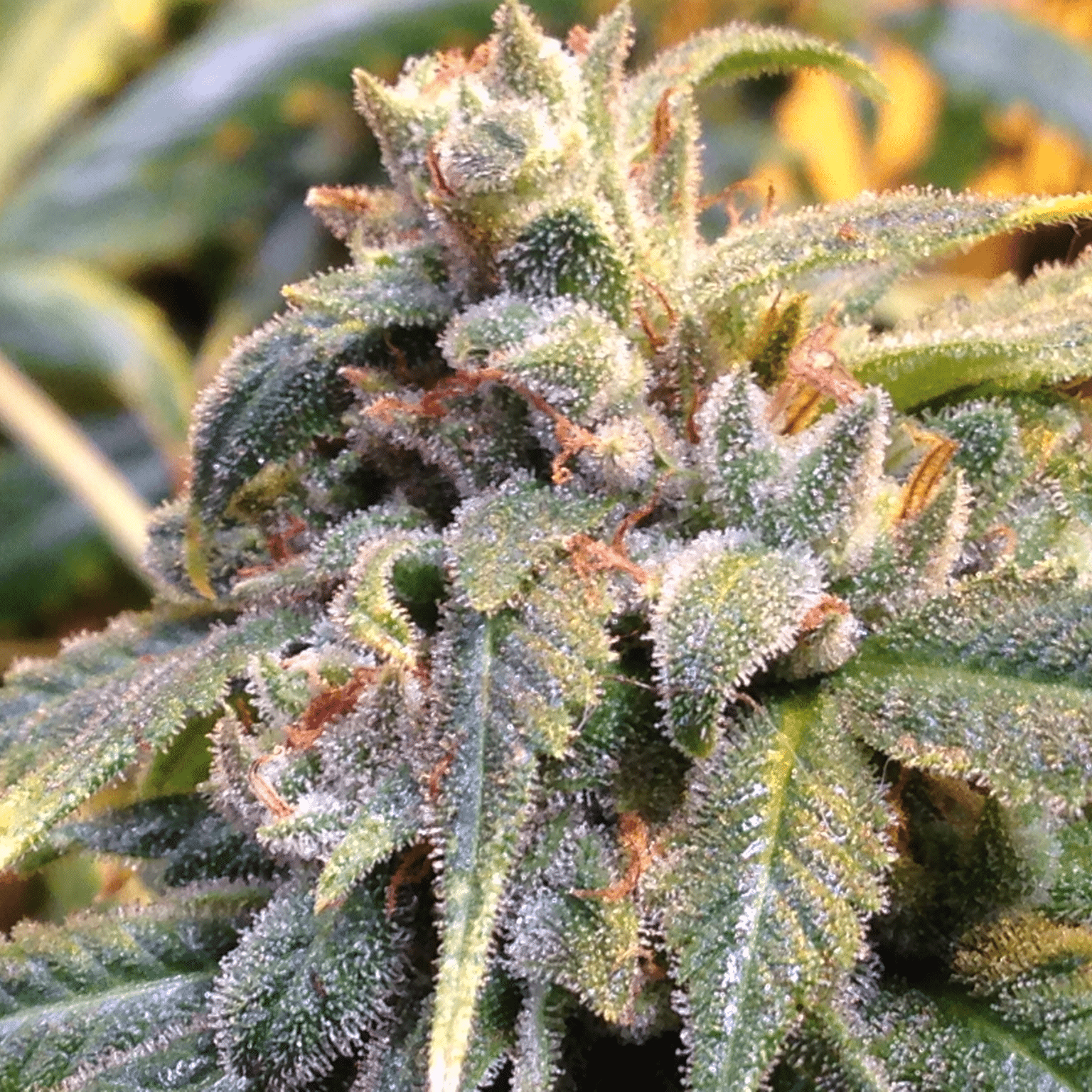
Cannabis cultivation, once a clandestine activity, has burst into the mainstream, thanks to the growing acceptance of its medicinal and recreational use worldwide. However, with great potential comes great responsibility. The burgeoning cannabis industry has been facing increased scrutiny for its environmental impact. But don’t fret, nature lovers! There’s a green revolution stirring within the green rush.
Eco-friendly cannabis is not just a buzzword anymore, but a burgeoning movement that’s transforming the way we grow our favorite herb. From energy-efficient lighting to organic cultivation methods, cannabis growers are embracing sustainable practices with open arms, proving that you can indeed have your cannabis and eat it too, without guilt-tripping about the planet.
This new wave of eco-consciousness is not only helping the industry reduce its carbon footprint but also reshaping its image from a notorious water guzzler and energy hog to a responsible player in the fight against climate change. So let’s dive deep into the world of eco-friendly cannabis and explore how sustainable practices are making a big impact on the industry.
Organic Cultivation: Making the Natural Choice
One essential aspect of eco-friendly cannabis is embracing organic cultivation methods instead of relying on synthetic fertilizers and chemical pesticides. Organic farming practices promote a natural approach to pest control and soil management, resulting in healthier plants and minimal harm to the environment. These practices include: 1. Crop Rotation: By rotating the plants grown on a particular plot of land, growers can prevent soil depletion, reduce the risk of disease, and disrupt the life cycle of pests. 2. Companion Planting: Growing cannabis alongside other plants helps to provide a natural habitat for beneficial insects that control pests and diseases without resorting to toxic chemicals. 3. Compost and Green Manures: Organic growers use compost and green manures to enrich the soil with essential nutrients, fostering healthy plant growth and minimizing the need for synthetic fertilizers. 4. Beneficial Insects: Releasing predator insects, such as ladybugs, lacewings, or parasitic wasps, can help control pest populations by providing them with a natural food source rather than resorting to chemical pesticides.Locally Sourced Cannabis: Supporting Your Community and the Environment
Another crucial aspect of eco-friendly cannabis is to source it locally. Purchasing locally grown marijuana offers several benefits for both consumers and the environment. These advantages include: 1. Reduced Carbon Footprint: Transporting marijuana to retailers requires fuel and energy, creating a significant carbon footprint. By sourcing cannabis locally, you help reduce the emissions associated with its transportation. 2. Supporting Local Economies: Buying locally grown marijuana not only contributes to your community’s economic growth, but it also upholds the livelihood of local growers who are dedicated to providing high-quality, environmentally friendly products. 3. Product Transparency: Knowing where your cannabis comes from allows you to ask questions about cultivation methods, ensuring the products you consume align with your eco-friendly values.Water and Energy Conservation: Minimizing Resource Consumption
The cannabis industry is increasingly adopting innovative water and energy conservation measures to reduce resource consumption and subsequently lessen the environmental footprint. These efforts can take many shapes, such as: 1. Water-efficient Irrigation: By implementing drip irrigation systems or using water-retaining substances like coco coir, cannabis cultivators can optimize their water usage and reduce waste. 2. Rainwater Harvesting: Collecting and storing rainwater allows growers to utilize a natural water source for irrigation, thereby conserving precious freshwater resources. 3. LED Lighting: Switching from energy-intensive lighting systems to energy-efficient LED options can drastically reduce energy consumption in indoor cultivation facilities. 4. Solar Power: Utilizing renewable energy sources, such as solar power, can significantly minimize the environmental impact of cannabis cultivation by curbing reliance on fossil fuels.Embracing Biodegradable Packaging: Reducing Waste
As a conscious cannabis consumer, choosing eco-friendly packaging options is critical, as the industry often utilizes single-use, non-recyclable plastics for packaging products. Opting for biodegradable and eco-friendly packaging promotes sustainability in the industry and sets an example for other consumers. Some companies have already implemented biodegradable packaging alternatives, such as hemp-based plastics and recyclable materials.Support Eco-Friendly Cannabis for a Sustainable Future
Adopting sustainable practices in the cannabis industry is crucial for minimizing the environmental footprint while preserving the plant’s qualities and ensuring consumers receive the best possible products. By choosing eco-friendly cannabis, you demonstrate your commitment to the environment and contribute to a greener future. Just like Karing Kind, many companies recognize the importance of responsible cultivation techniques, energy efficiencies, and waste reduction efforts. Together with these companies, we can make a difference in the cannabis industry and pave the way for a more sustainable world. To experience the benefits of eco-friendly cannabis deals in Colorado, visit Karing Kind today to explore our selection of responsibly sourced marijuana flower, concentrates, and edibles. Together, let’s build a sustainable future for the cannabis industry by consuming responsibly and supporting the green initiative.
About the Author: Dylan Donaldson
Dylan is a Colorado native that graduated CU Boulder in 2007 with a degree in Business Communication. Having run a variety of his own businesses while attending college, Dylan found his passion in plants and people.
See more about the author