
Boulder has always been a place where people take their outdoor lives seriously. The Flatirons are visible from most of the city. Half the population seems to own a trail running kit. And on any given weekend, the roads leading toward Estes Park are full of people chasing a few hours in the mountains.
It’s no surprise, then, that cannabis has found a natural home here, not as something separate from Boulder’s outdoor culture, but woven into it.
A Lifestyle That Already Made Room for It
Colorado was one of the first states to legalize recreational cannabis, and Boulder was ahead of the curve even within the state. The community here tends to approach wellness with a mix of openness and self-awareness, people talk about sleep, recovery, and mental health with the same ease they talk about their weekend mileage.
Cannabis fits into that conversation in a way it doesn’t in many other places. Dispensary visits in Boulder feel less like something edgy and more like stopping by the supplement aisle at Whole Foods. Matter-of-fact, practical, personal.
Before the Hike vs. After the Hike
One of the most common conversations happening at dispensaries right now is about timing and format, specifically, how different cannabis products behave at different points in an outdoor day.
The pre-activity crowd
Some people use low-dose cannabis before a hike, a bike ride, or a yoga session. The appeal is usually some combination of relaxed focus, heightened sensory awareness, and pain or inflammation management. CBD-forward products and balanced THC/CBD ratios tend to show up here, high-THC products before physical activity are a different experience, and not necessarily what most people are looking for.
Microdosed edibles have carved out a real niche in this space. A 2.5mg or 5mg dose is enough to take the edge off pre-hike anxiety or add a pleasant haze to a slower nature walk without impairment that would make scrambling over rocks a bad idea.
Post-activity recovery
The post-hike or post-climb use case is probably more common, and it’s where cannabis really overlaps with the recovery conversation that Colorado athletes are already having. Sore legs, tired backs, a mind that’s still spinning from the adrenaline of a long descent, these are exactly the conditions that a lot of people are turning to cannabis to address.
Topicals have grown significantly in this space. A CBD-infused balm applied to tired muscles isn’t the same as consuming cannabis — there’s no systemic effect — but users report genuine localized relief. Flower and concentrates in the evening, after a day of elevation and effort, round out what’s become a fairly common post-adventure ritual for a lot of Boulder residents.
The Location Makes It Practical
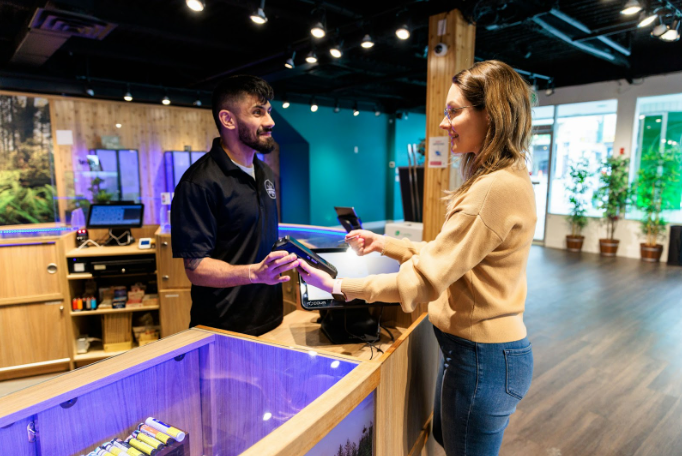
Being conveniently located between Boulder, Lyons, and Longmont — and right on the corridor leading toward Rocky Mountain National Park — means Karing Kind sees a steady stream of visitors who are heading out for something, or heading back from it. Many people stop before a camping trip, pick up a few products, and treat it the same way they’d stop for snacks or coffee.
That accessibility matters. Open daily from 9am to 10pm, a quick stop isn’t a detour; it fits naturally into a Colorado weekend itinerary.
What the Products Look Like in This Context
The outdoor lifestyle context tends to favor a few specific product formats over others.
Pre-rolls are popular for their simplicity: no gear, no setup, shareable around a campfire. Vape cartridges are favored for discretion and portability. Edibles appeal to people who don’t want to smoke at altitude or near dry vegetation. Topicals remain a quieter category but a growing one, especially among people who hike regularly and deal with chronic joint or muscle issues.
Flower remains dominant overall; it’s the format most people know, and it’s where product diversity is highest. Knowing the difference between strains that tend toward energizing effects versus deeply relaxing ones makes a real difference when you’re choosing what to bring into the backcountry.
The Responsible Part of the Conversation
None of this works without a few obvious guardrails. Driving under the influence of cannabis is illegal and dangerous, full stop. Consuming in public spaces, including national parks and most trails, isn’t permitted. And anything involving physical risk — technical climbing, backcountry skiing, routes that require serious judgment — is a context where impairment of any kind deserves careful consideration.
The Boulder cannabis culture, at its best, takes these things seriously. The goal isn’t to blur the edges of risky situations. It’s to find the right place for cannabis in a life that’s already full of intentional movement and care.
A Community That’s Still Figuring It Out
It would be overstating things to say Boulder has cannabis and outdoor culture perfectly integrated. People are still working out where the lines are: what makes sense, what doesn’t, what feels right for them versus what works for someone else.
That’s actually what makes it interesting to watch. A community that takes both wellness and personal responsibility seriously, engaging honestly with a newly legal substance and trying to figure out where it fits. That conversation is happening in dispensaries, on trail heads, and around plenty of post-hike tables in North Boulder.
And it’s probably more honest than wherever the conversation was happening five years ago.

About the Author: Dylan Donaldson
Dylan is a Colorado native that graduated CU Boulder in 2007 with a degree in Business Communication. Having run a variety of his own businesses while attending college, Dylan found his passion in plants and people.
See more about the author