
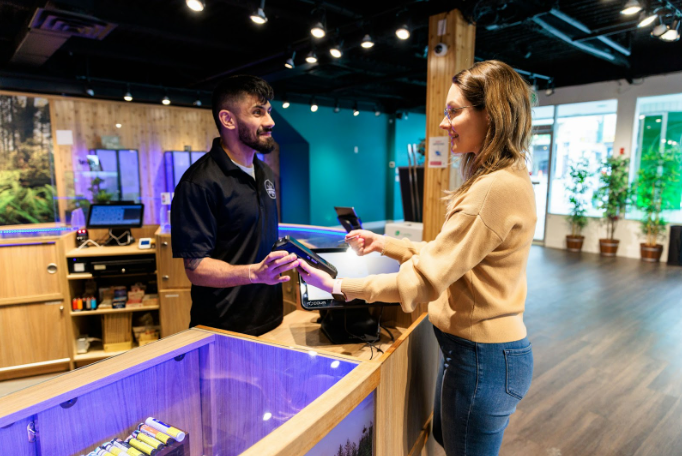
Walk into a dispensary for the first time and you might feel a little like you’ve wandered into a specialty coffee shop where everyone seems to speak a different language. Terpenes, cannabinoids, hybrid vs. indica-leaning — there’s a lot being discussed, and it can feel overwhelming before you even reach the counter.
That person behind the counter ready to guide you through it? That’s a budtender. And if you’ve never thought much about what they actually do, it’s worth a closer look.
More Than Just a Retail Job
The word sounds casual — part “bud,” part “bartender” — but the role carries real weight. A budtender is the human layer between a wall of products and a customer trying to figure out what actually fits their needs.
They’re not there to make a sale. The good ones, at least, are there to help you leave with something that works. That means understanding your experience level, your goals, your tolerance, and sometimes even your schedule and lifestyle.
At places like Karing Kind in Boulder, Colorado, budtenders have been recognized by the community as some of the best in the region — voted Best Budtenders by Boulder County residents twelve years running. That kind of consistency doesn’t happen by accident. It comes from treating the role with the same seriousness you’d expect from any skilled professional.
What a Budtender Actually Knows
Training varies by dispensary, but experienced budtenders typically have a solid working knowledge of:
- Cannabinoid profiles — the differences between THC, CBD, CBG, and how they interact
- Terpenes — the aromatic compounds that influence flavor, aroma, and effect
- Product formats — flower, concentrates, edibles, vapes, topicals, tinctures, and what makes each unique
- Dosing — especially important for edibles and for customers new to cannabis
- Local regulations — what’s legal, what you can buy, and how much
Beyond the science, they also tend to develop an intuition from talking to hundreds of customers. They’ve heard what worked, what didn’t, and what people wished they’d known before they tried something.
How to Get the Most Out of a Conversation with Your Budtender
Some customers come in with a detailed list. Others walk through the door with just a vague feeling — “I want something relaxing” or “I need help sleeping.” Both approaches are fine.
The more context you can share, the more useful the recommendation. A few things that help:
- Whether you’ve used cannabis before — and if so, what formats you’ve tried
- What you’re hoping to feel, or what you’re trying to address
- Any past experiences that didn’t go well — and why
- How you prefer to consume (smoking, vaping, edibles, topicals, etc.)
You don’t have to know the answers to all of these to walk in. A good budtender will ask the right questions naturally. Think of it less like being quizzed and more like being listened to.
The Difference Between Good and Great
Not every budtender experience is the same, and that’s okay. Some people prefer a quick, efficient interaction — in and out with what they know they want. Others appreciate a longer conversation, especially when they’re exploring something new.
A great budtender reads the room. They pick up on whether you want guidance or just a fast transaction and adjust accordingly. They don’t push products. They don’t default to whatever is on sale. They ask a few good questions and then actually listen to the answers.
They also know when something is outside their lane. If a customer asks about cannabis and a specific medical condition, a good budtender will share general information and encourage them to speak with a healthcare provider — not make claims the product can’t back up.
Why Boulder Has a Strong Budtender Culture
Colorado was among the first states to legalize recreational cannabis, and that head start has mattered. The industry has had time to mature, standards have developed, and the consumer base has become more educated. That creates a feedback loop — customers who know what good service looks like demand it, and dispensaries that want to keep their reputation deliver it.
Boulder, specifically, has a community of consumers who tend to be thoughtful about what they put in their bodies. That expectation shapes how local dispensaries train and retain staff. The ones with longevity — the ones that have been voted best repeatedly — are usually the ones that take the budtender role seriously.
It’s More Than a Transaction
Cannabis retail at its best looks a lot like any other specialty retail that takes its product seriously — a good wine shop, a well-run pharmacy, a local bookstore with staff who actually read. The product knowledge matters, but so does the human element.
If you’re visiting Karing Kind, you’re likely to get both. The dispensary is open daily from 9am to 10pm, which means whether you’re stopping by after work or heading in on a Saturday morning, there’s someone who can walk you through the options.
A budtender isn’t there to tell you what to think about cannabis. They’re there to help you make a more informed decision. That’s a meaningful distinction, and it’s one worth appreciating the next time you find yourself standing at that counter.

About the Author: Dylan Donaldson
Dylan is a Colorado native that graduated CU Boulder in 2007 with a degree in Business Communication. Having run a variety of his own businesses while attending college, Dylan found his passion in plants and people.
See more about the author